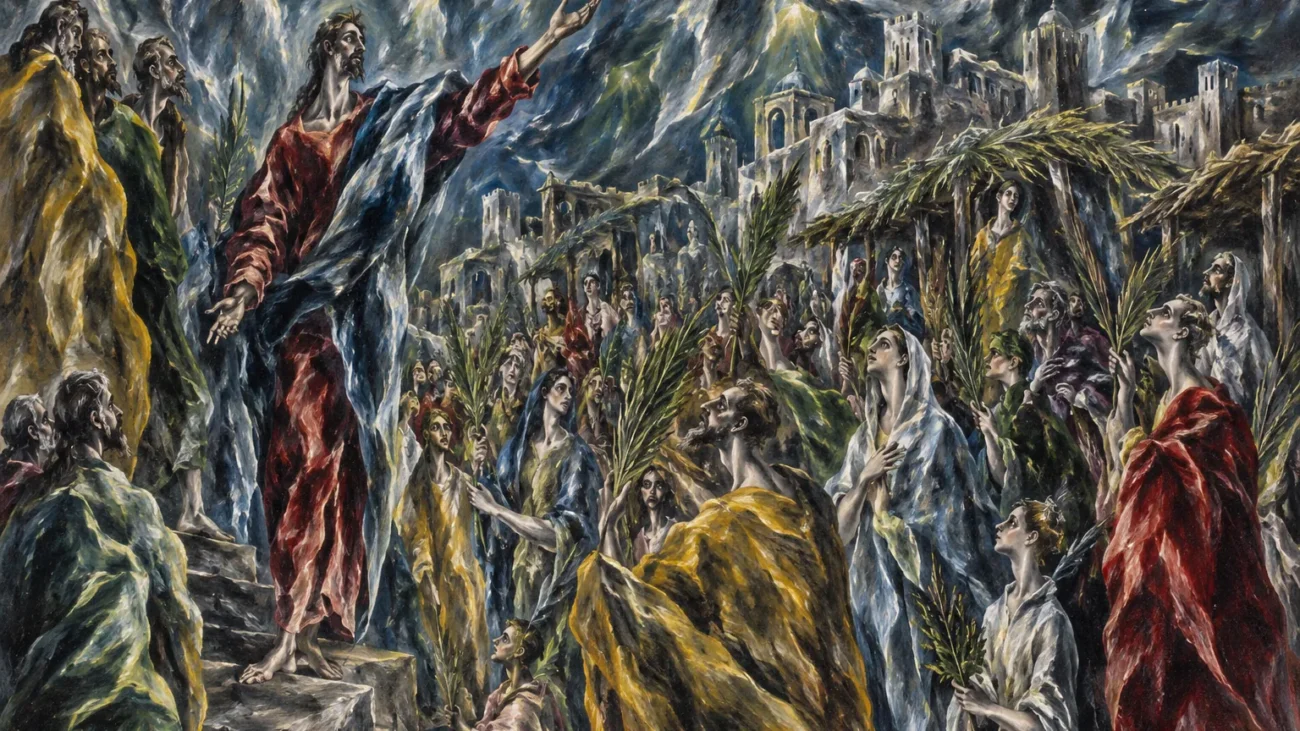
The feast of tabernacles was Israel’s great autumn celebration of harvest, joy and thanks. People also call it the Feast of Booths, or Sukkot. It lasted seven days and began on the fifteenth day of the seventh month. For one week, families left their houses and lived in simple huts covered with branches. In this way, they remembered how God cared for their ancestors in the wilderness. Centuries later, on the great day of a feast, Jesus stood and called the thirsty to come to him. So let us look at what this feast meant and why it still speaks to believers today.
The Feast of Tabernacles in Leviticus 23
God gave the instructions for this feast to Moses. Leviticus records the command plainly:
“The fifteenth day of this seventh month shall be the feast of tabernacles for seven days unto the LORD.” (Leviticus 23:34)
The first day was a holy convocation, so the people did no ordinary work. Then, for seven days, they brought offerings made by fire to the LORD. In addition, an eighth day closed the celebration with another holy convocation and a solemn assembly.
The feast of tabernacles was also one of the Three Pilgrimage Festivals. On these occasions, Israelites traveled to the Temple in Jerusalem to worship. Moreover, God called it “a statute for ever in your generations” (Leviticus 23:41). In other words, the feast was not a passing custom. Instead, it belonged to the lasting rhythm of Israel’s year. Beyond Leviticus, the books of Nehemiah and Zechariah also describe this festival.
A Harvest Festival of Ingathering
The feast of tabernacles carries two names in the Torah. First, Scripture calls it the Festival of Ingathering. Exodus 34:22 describes it as the festival of ingathering at the end of the year. This name points to farming life. In fact, the feast marked the close of the harvest and of the agricultural year in the land of Israel.
Leviticus repeats this timing. The people kept the feast “when ye have gathered in the fruit of the land” (Leviticus 23:39). So the celebration came after the hard work was over. Families could finally pause and give thanks. The booth itself also has roots in field life, because farmers lived in such temporary shelters during the harvest.
Scholars offer different views on how the booths began. Some suggest they come from the shelters that harvesters built in the fields. Others point to the booths where pilgrims stayed when they came to sanctuaries for festivals. Some also note similarities with older Canaanite harvest festivals, which included seven-day celebrations and processions with branches. Tradition, for its part, traces the holiday back to Israel’s time in the desert.
Why Israel Lived in Booths During the Feast of Tabernacles
The second name, Festival of Booths, carries a deeper religious meaning. Leviticus explains the purpose directly:
“Ye shall dwell in booths seven days; all that are Israelites born shall dwell in booths: That your generations may know that I made the children of Israel to dwell in booths, when I brought them out of the land of Egypt: I am the LORD your God.” (Leviticus 23:42-43)
The Hebrew word sukkot is the plural of sukkah, which means “booth” or “tabernacle”. A sukkah is a walled hut with a roof of plant material, such as palm leaves. Its fragile shape recalls the dwellings of the Israelites during their 40 years of travel in the desert after slavery in Egypt. Throughout the holiday, meals are eaten inside the sukkah.
This is the heart of the feast of tabernacles. The booth reminded each generation of the dependence of the Israelites on the will of God. Some scholars add that the exodus narratives do not describe booth-building. However, the people spent much of the journey camped at oases, where palm-roofed huts were common.
Branches, Rejoicing and a Warm Welcome
Joy stood at the center of the celebration. God told the people to gather branches on the first day:
“And ye shall take you on the first day the boughs of goodly trees, branches of palm trees, and the boughs of thick trees, and willows of the brook; and ye shall rejoice before the LORD your God seven days.” (Leviticus 23:40)
Later Jewish tradition identifies these as the four species: a citron, a palm branch, willow branches and myrtle branches. Worshippers tie the palm, myrtle and willows together and hold the citron beside them. Then they wave them in a shaking ceremony each day except the Sabbath. In addition, a revived celebration called Simchat Beit HaShoeivah focuses on water and rainfall. Together, these customs highlight how much people depend on the world around them.
Hospitality also marks the feast of tabernacles. Rabbinic tradition welcomes guests, both real and symbolic, into the sukkah. According to the Zohar, seven forefathers come as guests, one on each day. They are usually Abraham, Isaac, Jacob, Moses, Aaron, Joseph and David. Families share festive meals in the booth, and many sleep there as well.
Jesus’ Invitation to the Thirsty
The Gospel of John takes us to a festival crowd. On its closing day, Jesus spoke words that still ring out:
“If any man thirst, let him come unto me, and drink. He that believeth on me, as the scripture hath said, out of his belly shall flow rivers of living water.” (John 7:37-38)
Notice the setting first. John calls it “the last day, that great day of the feast.” Jesus did not whisper his offer. Instead, he stood and cried out so that everyone could hear. His invitation was open to anyone who thirsted. They simply had to come and drink.
For readers who know the feast of tabernacles, this image feels rich. The feast celebrated a finished harvest and recalled a desert journey. Its later customs even focused on water and rainfall. Against this background, Jesus offered something deeper than a seasonal blessing. He promised that rivers of living water would flow from the one who believes in him.
What the Feast of Tabernacles Teaches Us Today
The feast of tabernacles invites us to remember and to rejoice. Like Israel, we can look back and remember God’s care. The fragile booth also reminds us of dependence on God. Above all, the call to rejoice before the LORD for seven days shows that joy belongs at the heart of the feast.
Finally, Jesus’ words turn memory into invitation. If you feel thirsty today, his call remains simple: come to him and drink.
